Home page
IONATE Co-founder, Luca Mezossy-Dona tells Energy Systems Catapult how the company’s Hybrid Intelligent Transformer and Aurora Platform is underpinning a smart, self-healing grid – and how to get ahead as an energy system innovator
How is IONATE advancing the clean energy transition?
There’s a major disconnect between our energy goals and the systems powering them. We’re accelerating towards the electrification of entire industries, switching to generating more electricity from renewables and scaling up new types of loads such as AI data centres.
Yet, our aging power networks were never designed for this future. The symptoms of this are uncompromising – think of the whole Iberian Peninsula going dark last year.
There’s no question we need to modernise our aging systems fast. But this is a non-trivial challenge – we can’t just unplug the biggest machine in the world and start over.
We founded IONATE to solve this problem. We build the hardware-software backbone for smart power systems – the backbone we need to achieve a clean transition.
How does your technology work?
We invented a new building block – we call it the Hybrid Intelligent Transformer or HIT. It looks and connects like a transformer but enables the key missing smart capabilities we now need in power stacks: visibility and control.
It manages voltage with sub-millisecond precision, counteracting any event that sees power flows going out of operational constraints. It removes the noise, suppressing both voltage and current harmonics. At the same time, it maximises system efficiency through full four-quadrant reactive power control.
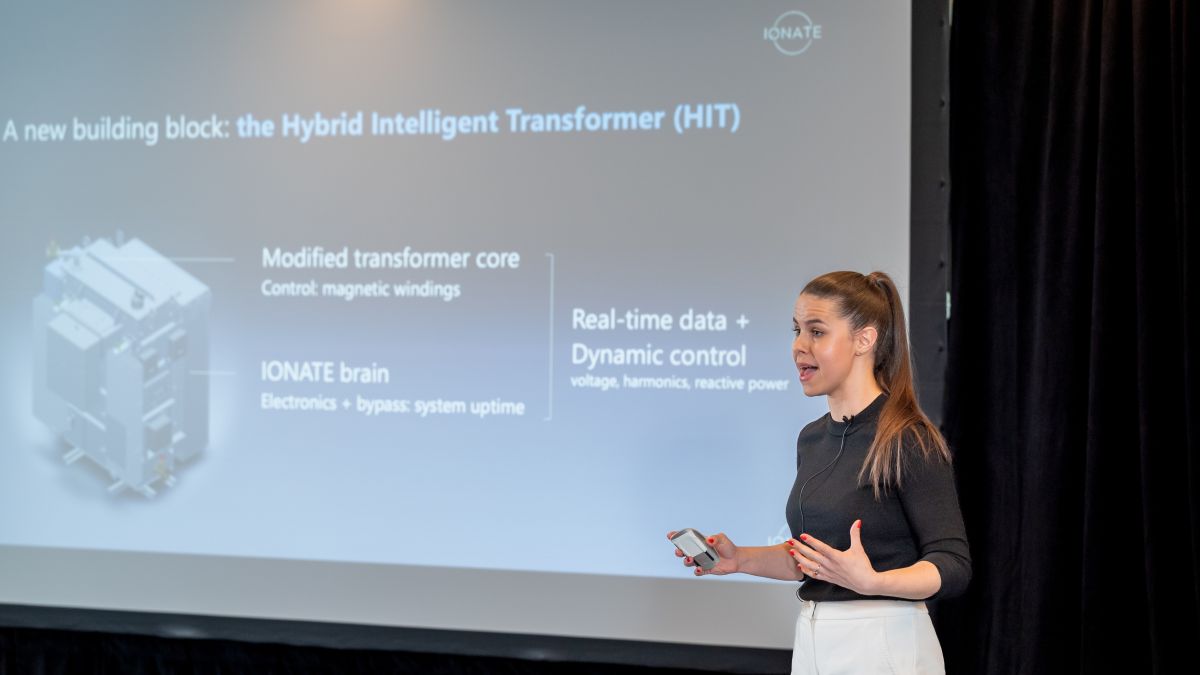
IONATE’s HIT solves power flow problems and helps big energy users connect to the grid
So, the HIT is a transformer as much as an iPhone is a phone. It does that job, but takes care of so much more in one efficient, integrated smart device.
We invented the HIT because it’s needed to solve a range of power flow problems not just in the distribution grid, but also the big things connecting: renewables generation on one hand – plus big power users, data centers and industrials on the other. It integrates with each of these and autonomously balances power flows from day one.
But in doing so, it also lights up a real-time control node. And once we have a network of HITs, IONATE’s AI-enabled software, Aurora, coordinates them to unlock a system that optimises itself. And that’s the jackpot.
What energy grid wins does this unlock?
In such a system, we can connect on average 33% more distributed energy resources, like rooftop solar and EVs without causing issues. We can send 25% more power through the existing poles and wires, deferring those massive capital upgrades. And we reduce losses by 6%, effectively adding back power for free.
In other words, one HIT takes care of its local power flows, but a smart system comprised of many unlocks the intelligent, self-healing, real-time manageable energy stacks we need in the 21st century.
Because the energy transition isn’t just about preparing for the known knowns, we need to be building systems that can handle changes we can’t yet foresee. Adaptability is therefore a key feature.
How are you scaling your business for maximum impact?
We have taken this idea from just a concept in late 2019 to full-scale live systems today.
In our early years in the UK, we were part of the Energy System Catapult’s and the Offshore Renewable Energy Catapult’s accelerator programmes, connecting with like-minded startups and partners. Our relationships with both are ongoing.
Since then, we’ve now expanded internationally. We’re currently working with grids and renewable generation across Europe, and with key industrial players and data centres in North America as demand is accelerating.
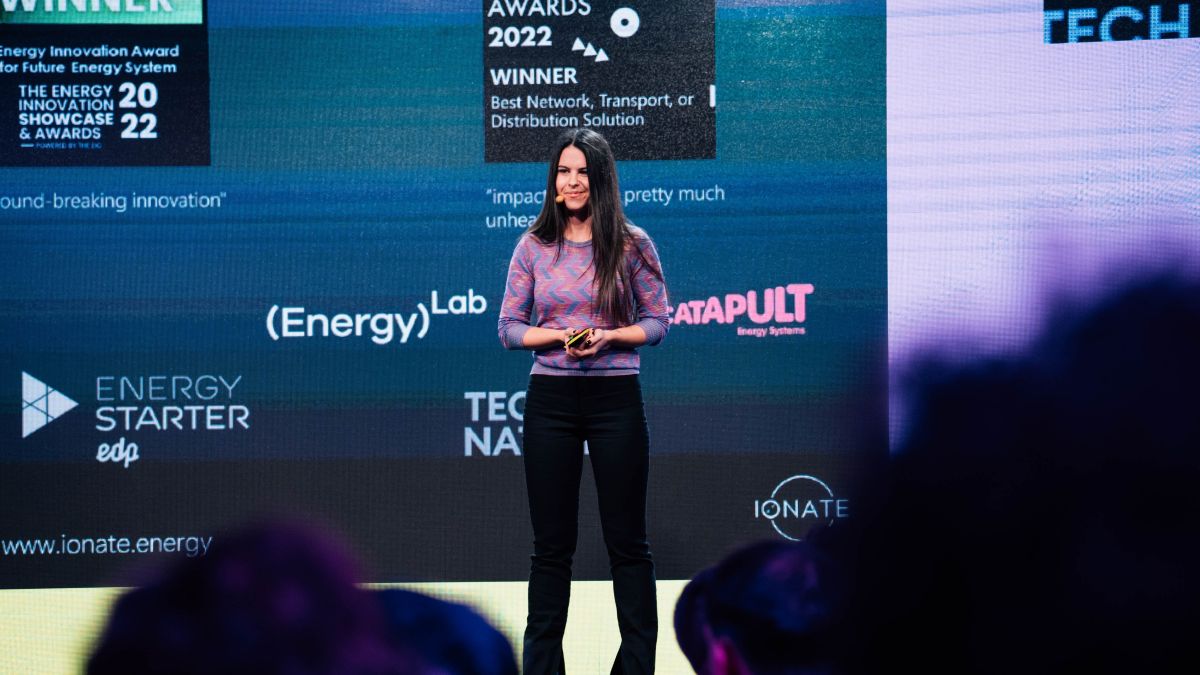
“Partnerships and the right ecosystems can truly catalyse our energy future” – Luca Mezossy-Dona
To ensure we can scale fast, we partner with established transformer makers around the world – and repurpose their supply chain and knowhow to build the next generation of power infrastructure. This means we don’t have to build gigafactories before we can mass-produce. It also allows us to deliver to our customers in partnership with their preferred suppliers.
This is key, because true innovation must be adopted to make a difference.
While breakthroughs promise to bring about a radically different world, they can only do so if there’s a reasonable adoption curve that delivers their impact. If innovators don’t find a way to fit into existing systems and frameworks, nobody will bother to build and use their technologies and services.
This is part of the reason why partnerships and the right ecosystems can truly catalyse our energy future. Building in collaboration means there is already a network that knows what to do with your tech.
On a human level, building community is also key for maintaining one’s drive.
What advice do you have for the next generation of clean energy leaders?
First, if you want to build something meaningful, don’t get swayed by the hype. When we started IONATE almost seven years ago, power infrastructure was seen as a boring sidenote in a story about electric cars, renewables – and weirdly at the time, blockchain.
But, I spent a lot of time with engineers and saw just how important – and how underappreciated – the power stacks were in making these innovations viable.
We made a bet on the thesis that despite its lack of popularity, there will come a day when infrastructure will be make or break – and it seems like that bet is paying off.
So, search for the nontrivial problems that those on the bandwagon are missing.
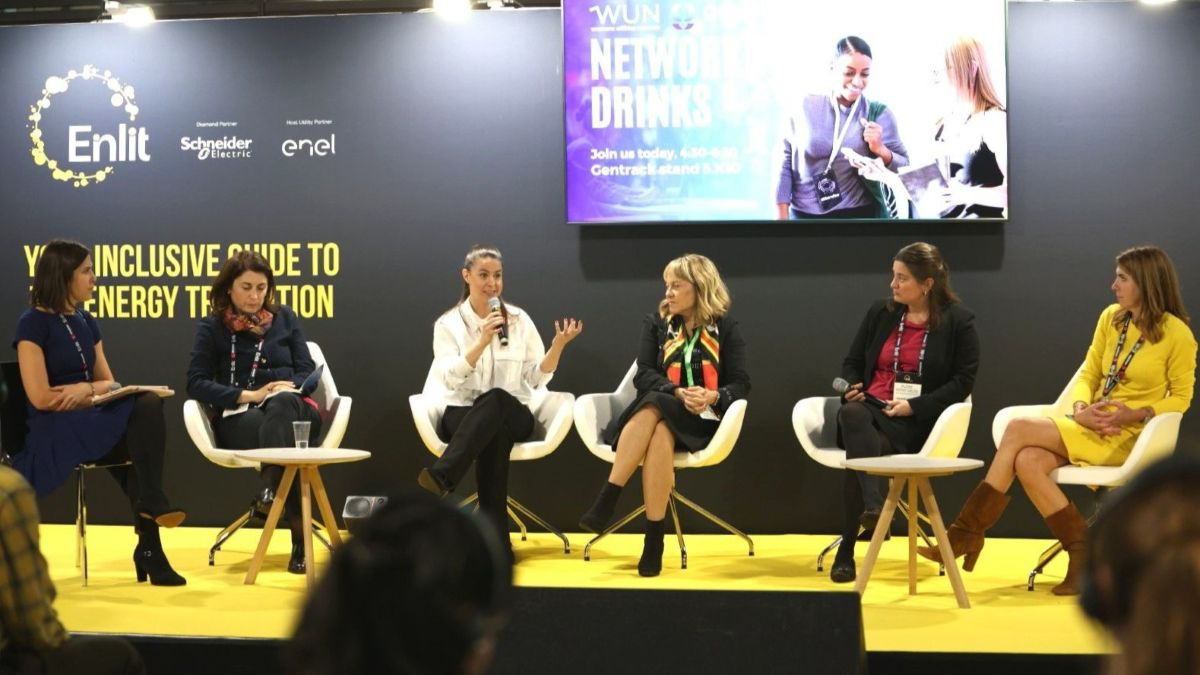
“If you want to go far, go together” – Luca Mezossy-Dona
Second, spend a lot of time building relationships.
The saying goes, if you want to go fast, go alone; if you want to go far, go together. Well, startups like to go fast and far and to make that happen you need like-minded sprinters around you. No success was built in isolation, so finding one’s people is key for getting through the inevitable challenges of ventures.
I find this is especially true for those coming from an underrepresented group. Today, women are one such group here in the energy sector and not seeing many examples of leaders like us can feel demoralising.
Reaching back to one’s community – however small – can be the thing that keeps us going. It’s certainly the case for me. So, ask people for coffee, go to those networking events, follow up and offer your help. One day it might just get you through some tough times.
Book a free SME growth consultation
This free-to-attend consultation is for organisations with products or services they believe could be sold into the energy sector.
Find out more