Home page
Somayeh Taheri, Co-founder and CEO of UrbanChain, tells Energy Systems Catapult about her push to challenge outdated markets and expectations
How is UrbanChain disrupting the energy system?
We’re building a different kind of operating system for energy. Our mission is to provide an AI-optimised ecosystem to distribute clean energy so it’s accessible for all.
Our tech creates local energy markets to connect buyers and sellers. Generators produce clean energy. Local consumers use it. And our AI-driven tech keeps things running smoothly.
This disrupts the current practice of building, financing, procuring and transacting energy based on the wholesale market and hierarchical frameworks. Instead, we’re offering a network effect of local and private energy markets – without borders – using advanced technologies like AI and permissioned blockchain.
The result: competitive price stability, 24/7 traceability, structured and shaped accessibility to clean energy, and support for prosumers.
At our core, we’re enabling a systems change. That means shifting energy from a centralised, utility-led model to a decentralised, technology-driven one that works for stakeholders across the energy system.
How did you come to found UrbanChain?
My journey to this point hasn’t been ‘usual’. I grew up in Shiraz, Iran, where ambition as a young girl often came with limits.
You could go so far, but not beyond. Social norms shaped expectations. Women were defined via their relation to others – not by their own trajectory. Careers in engineering and energy weren’t encouraged. Leadership wasn’t modelled. And you weren’t expected, or helped, to climb too high.
I loved mathematics and problem-solving but first focused on architecture. It gave me a foundation, but I also knew I needed more room to grow. Moving to the UK in 2010 changed that.
Through my PhD at the University of Manchester and my research into fuel poverty and climate, I saw a fundamental disconnect: renewable energy struggles to be financially viable without subsidies, whilst consumers remain concerned about the affordability and reliability of their energy.
UrbanChain came from that realisation. If we could redesign how energy is structured, we could unlock both cost savings and carbon reduction. I envisioned a system where energy is distributed, transparent and fair.
We started in 2017, but the real development happened in 2020–21, when we designed our system from scratch.
Our technology was advanced but the market wasn’t ready. So, alongside building the product, we had to train the incumbents, explaining to the wholesale market how our alternative market could work, demonstrating value, and securing early partnerships with stakeholders.
Around the same time, we engaged with regulators and began to see our model reflected in Ofgem’s thinking, which was a sign, after all of our hard efforts, that change was possible.
When did the business begin to scale?
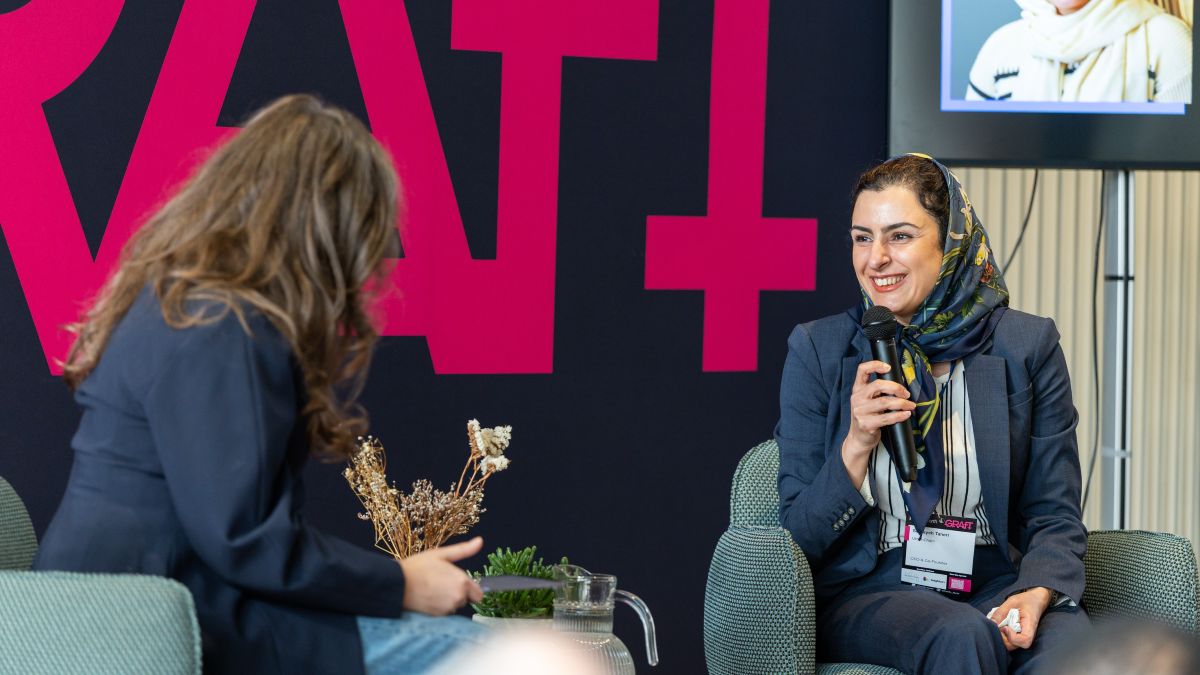
“Innovation depends on people feeling heard and empowered” – Somayeh Taheri
The real growth came in 2023. We began to scale rapidly, started to deliver real savings and payouts for consumers, and proved the UrbanChain model works commercially. That traction unlocked our Series A fundraising round and set us on a growth trajectory from nine people employed in 2023 to 24 in 2024, 65 in 2025, and 79 today.
As we scaled, we developed ‘Version 2.0’ of our system, which was built to handle larger volumes and long-term contracts, including 15-year deals.
One of our biggest milestones was securing an Ofgem supply licence in 2024. It was a tough process, but it was transformative and allows us to supply electricity directly to customers for the first time. It demonstrated that our model wasn’t just innovative, but also credible and compliant.
Scaling a cleantech business is never straightforward. What were some of the key obstacles you’ve had to overcome?
Funding, especially early on, was one of our toughest hurdles. At one point, we secured a major innovation grant but needed to match it ourselves.
With limited external backing, we invested our own savings, around £400,000, taking on personal risk to make it happen. It was difficult, particularly with a young family, but it was also decisive.
Talent is another challenge. Clean energy still isn’t seen as the most exciting career path by many graduates, who are often drawn to finance or traditional tech. That has to change.
This sector sits at the heart of solving the biggest challenge of our time, and we need the best people to see that and attract the ‘best of the best’ into the industry.
There are also deeper, structural challenges. I’ve often been the only woman in the room. I’ve been spoken over, received emails where I was misidentified as “Mr Taheri” – and I’ve been told I don’t understand the energy market.
Some of that comes from bias; some from the fact that we don’t look like a “typical” energy company.
My response has been simple: focus on evidence, outcomes and impact. Systems change is uncomfortable but necessary.
At UrbanChain, we’ve tried to build differently. We’ve created a culture where hierarchy doesn’t dominate and where diversity isn’t a tick-box. Innovation depends on people feeling heard and empowered.
What advice do you have for other women keen to take a lead disrupting the energy system?
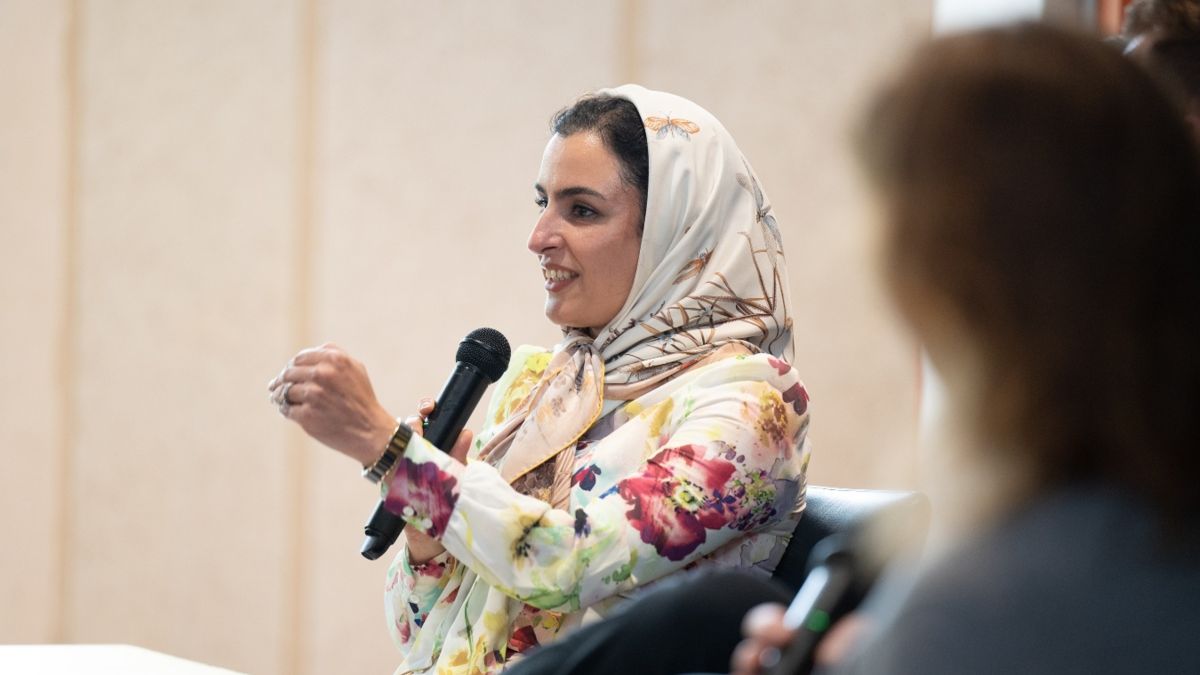
“Whether it’s outdated energy markets or outdated expectations of who gets to lead, change only happens when you question the status quo” – Somayeh Taheri
For women entering or scaling in clean energy, a few lessons stand out.
First, build your network, and use it. Connect with other women, find mentors, and have honest conversations. Support systems matter more than you think.
Second, trust your judgement. Don’t accept conventional wisdom at face value. When I was told that regulators would never accept our model, I went directly to them and found the opposite was true. Seek the truth, don’t be content with listening to the loudest voice.
Third, back yourself. You will face doubt both externally and internally. But if your solution is grounded in real value, stay with it.
And finally, build equality into your business from day one. Hire people who genuinely respect each other. That isn’t just the right thing to do, but it creates stronger, more resilient companies.
Support along the way has been critical too. Energy Systems Catapult has helped connect us to projects, workstreams and networks that accelerated our progress and opened doors to partnerships and visibility we might not otherwise have accessed.
Looking back, this journey has been about more than building a company, it’s about challenging systems. Whether it’s outdated energy markets or outdated expectations of who gets to lead, change only happens when you question the status quo.
We’re proving that a fairer, smarter distributed energy system is possible. And we need more people, especially more women, to help build it.
Book a free SME growth consultation
This free-to-attend consultation is for organisations with products or services they believe could be sold into the energy sector.
Find out more