Furbnow CEO Becky Lane tells Energy Systems Catapult what it takes to become a cleantech leader and make home energy upgrades simple for everyday homeowners
How is Furbnow helping to accelerate the clean energy transition?
Furbnow is the UK’s leading retrofit one-stop shop. We make it simple for homeowners to understand what energy improvements their home needs, design a whole-house plan, and then actually get the work done through our vetted network of installers and our partnerships with local authorities across the UK.
The goal is to make home energy upgrades a normal part of renovation. Not a specialist, complicated, jargon-heavy process that only the most determined homeowner can navigate.
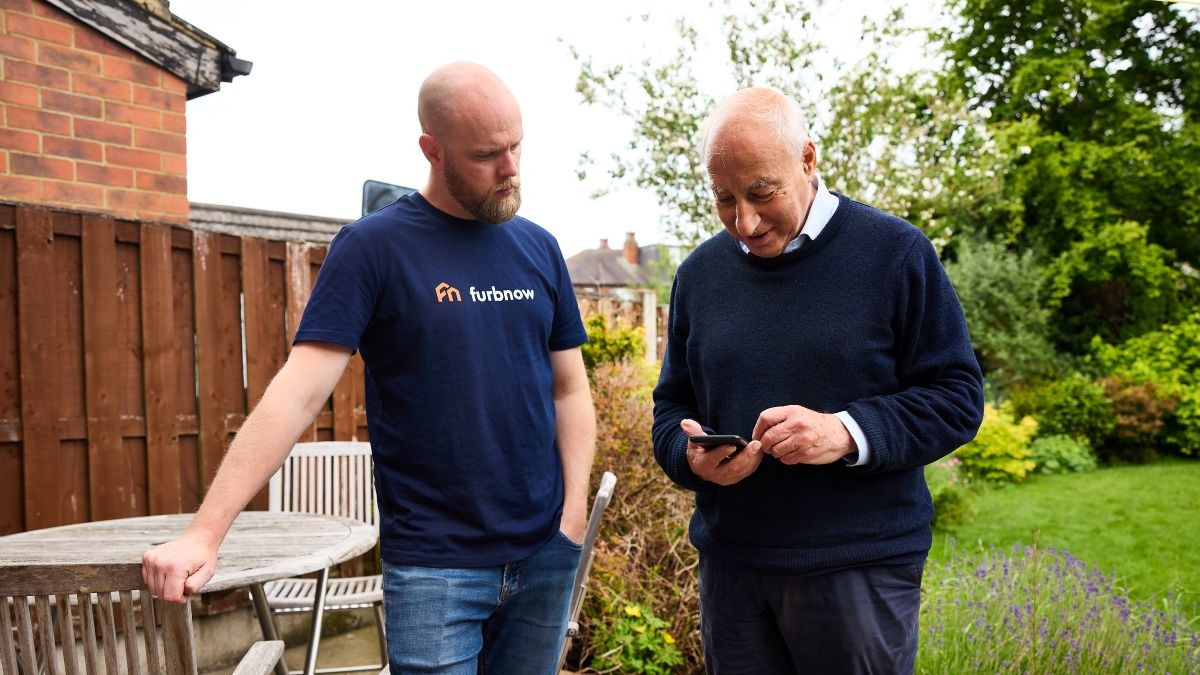
Nobody searches Google for ‘retrofit’ – but more than 40% of people want to improve the efficiency of their homes. (Image credit: Furbnow)
That’s where our role in the Net Zero transition sits. It’s not the most glamorous part of the story. It’s not the hard-tech invention or a complex grid-balancing algorithm. But the transition won’t happen until someone actually gets heat pumps and energy upgrades into people’s homes in a way that works for how home renovation really happens.
Someone has to hold the homeowner’s hand through a process that’s still far too complicated. That’s us.
How have you become a cleantech leader?
I’ve spent ten years working in energy. For most of that time, I was surrounded by incredibly smart people and we were all pushing for a future involving vehicle-to-grid charging, demand flexibility and heat pumps as grid assets.
It was exciting. It still is. But there was a gap that kept nagging at me: the normal homeowner doesn’t want to trade energy back to the grid. They want a warm house. They want their kids not to be cold in the winter. They want energy bills that don’t keep them up at night.
That gap, between what the sector was building toward and what real people were experiencing, is where Furbnow was born.
How did you spot the gap in the market?
I did a Google keyword search early on to understand consumer demand for retrofit. The monthly search volume was negligible. Not because people don’t care about their homes but because nobody searches for ‘retrofit’.
They search for ‘how to insulate my loft’ or ‘why is my heating bill so high’. At the same time, mass surveys across the UK we’re reporting anything from 42% to 55% of homeowners wanted to improve the energy efficiency of their home in the next 3 years. It was a clear market gap.

Demand for home retrofit exists, it’s just being accessed through a “different door”. (Image credit: Furbnow)
The sector had invented its own language and then wondered why nobody was showing up.
That search result told me everything I needed to know about the real problem. It told me what we needed to prove to investors in the early stages was that demand exists – it’s just being accessed through the wrong door.
We reframed everything around what homeowners actually care about. From there, we raised a £1 million pre-seed and then a £2.5 million seed round. We were named number three in Sifted’s Future 50 this year. We’ve now built partnerships with local authorities across the UK.
None of it was straightforward. But proving there’s real demand has made everything else possible.
What barriers have you faced in the race to scale up your business?
The hardest phase wasn’t raising money. It was going from zero to fifty customers while keeping a supply chain engaged, figuring our the shape of our product, and building it. That meant holding it all together without letting down people who trusted us with their homes.
The truth is, when you’re starting out your suppliers have no reason to prioritise you. You have low volume, no consistent demand you can promise them.
And yet you need them to show up and do excellent work for customers who’ve put their faith in you because your reputation is everything at that stage.
How do you overcome those supply chain challenges?
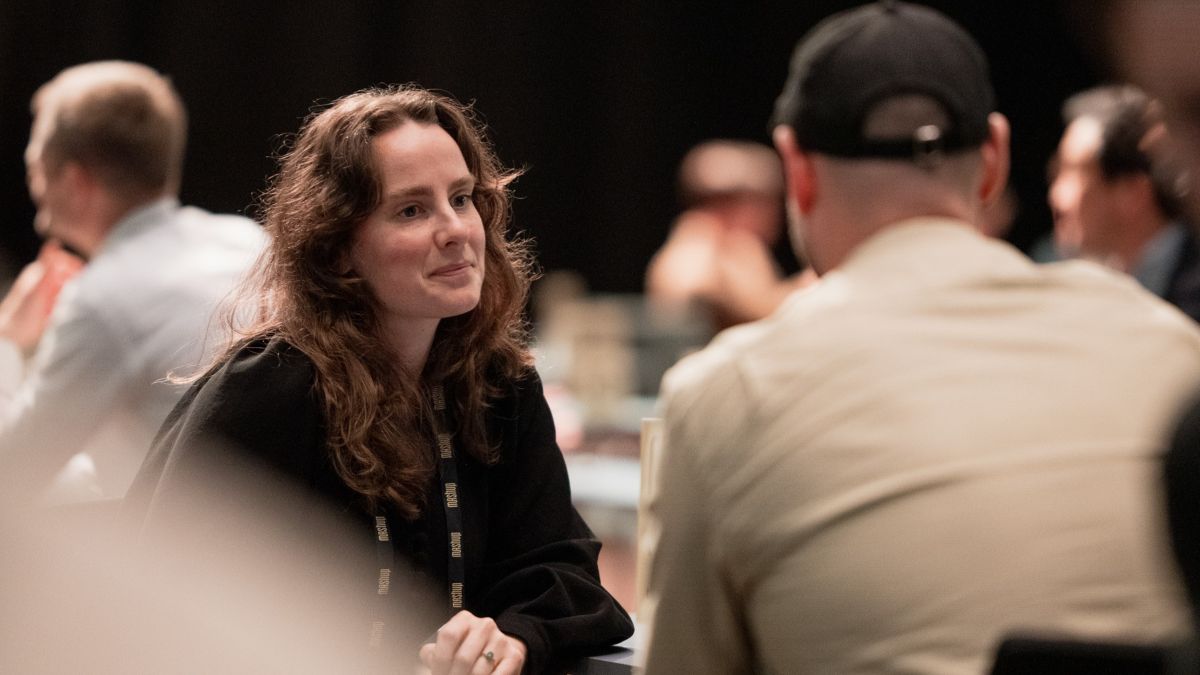
“What I’ve seen derail people, both women and men, is a lack of clarity” – Becky Lane. (Image credit: Furbnow)
It takes a specific kind of stubbornness. You have to over-communicate. Be honest when things go wrong. Build relationships with suppliers that are genuinely about partnership, not just transaction.
We’re past that now. At volume, the supply chain challenge is about systems and standards, not individual relationship management. But I’d be lying if I said those early months weren’t genuinely hard.
You said raising money wasn’t the hardest part – but it can’t have been easy?
Far from it. Funding has its own particular texture in this sector.
Cleantech has long investment timescales and a lot of capital already chasing infrastructure-level plays. For us – a platform business focussed on coordination and consumer experience – you find yourself sitting in an awkward middle ground.
You’re not ‘deep tech enough’ for some funds, not ‘consumer enough’ for others.
The answer was to be relentlessly clear on our numbers, our unit economics and our market thesis. When you know your own business cold, the conversations get easier.
This is where the support from Energy Systems Catapult was really helpful. Through the Energy Launchpad, we gave the business modelling team a clear question – where are the partners that could help us hack our initial growth? The result of that was many valuable introductions to shape our position but also a partnership with Good Energy which is still going strong today.
What advice do you have for the next generation of women clean energy leaders?
Here’s what I actually believe: there’s no reason we shouldn’t be succeeding here. The barriers are real but they’re not insurmountable.
What I’ve seen derail people, both women and men, is a lack of clarity. Clarity on the proposition, who your customer is, the business model, the route to market, the size of the prize, what the team needs to look like to execute it and what ‘now’ looks like versus ‘later’.
Get that clarity, then communicate it relentlessly. Don’t soften it. Don’t hedge. Know your numbers – the way you know your own name.
But here’s the thing investors are also looking for that doesn’t get talked about enough: they’re looking for a leader. That might mean doing some honest reflection on who you actually are as a leader before you’re in the room. Because leading a startup means being asked do extraordinary things.
The fun things like building something from nothing, making big decisions, and moving fast. But also the hard things.
Being willing to quickly fire people when it’s not working. Keeping your team accountable and driving them forward when things aren’t going well. Giving the uncomfortable feedback that someone needs to hear in order to grow and meet the demands of an early-stage business. That version of leadership doesn’t come automatically. I’ve had to work on it and I still am.
You need to take the time to reflect on who you want to be as a leader, the culture you want to build, and how you’ll handle the moments that test you.
That’s not soft stuff, it’s strategic. Investors aren’t just backing your idea. They’re backing your ability to build and hold a team together through the difficult stretches.
The more honest you are with yourself about that before you walk into the room to raise money, the better.
Has any of that been harder for you as a woman building a company in this sector?
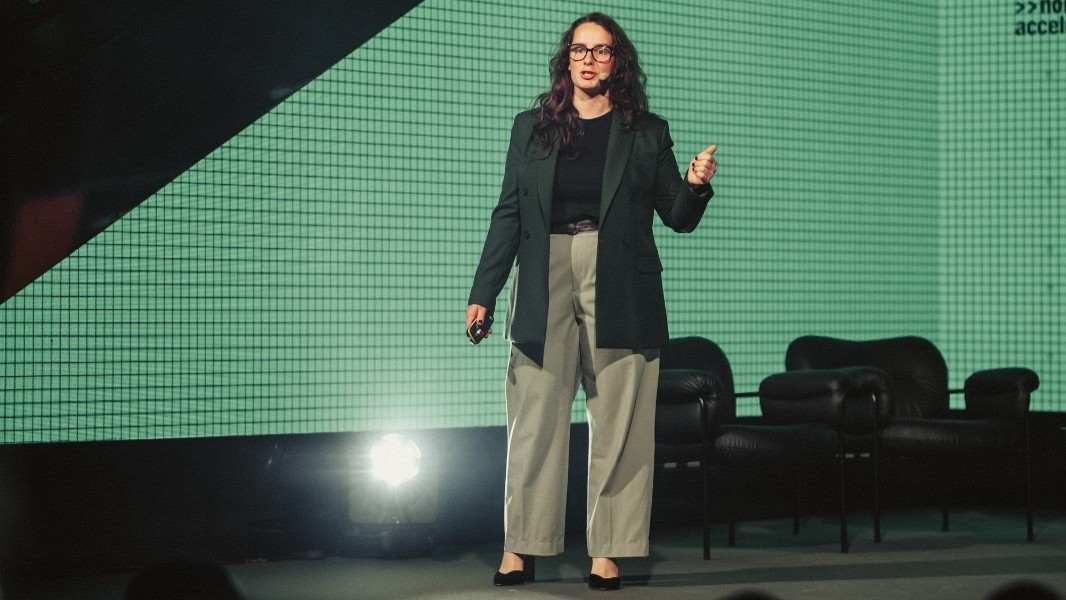
“I started Furbnow because I could see a problem nobody was solving at scale. If you can see one too, trust that” – Becky Lane. (Image credit: Furbnow)
I’ve had difficult experiences throughout this, investors who made assumptions, rooms where I had to work harder to be taken seriously. But when I’ve been the sharpest on my messaging, my metrics, and my own self-awareness as a founder, that’s also when I’ve felt most in control of the outcome. It doesn’t cancel the bias but it shifts the odds.
My advice: find your people. There are people in this space who’ve been through it, who will pick up the phone, who understand the specific challenges of building a cleantech business as a female founder.
I would not be where I am without those conversations. Ask for them. Don’t wait until you feel like you’ve earned them. You earned them the moment you committed.
I started Furbnow because I could see a problem nobody was solving at scale. If you can see one too – trust that. The consumer energy transition needs people who are close to the real human experience of it, not just the infrastructure.
That’s not a consolation prize for not being an engineer. That’s the job that needs to be done to build the propositions and companies that will fire up the consumer transition.
Book a free SME growth consultation
This free-to-attend consultation is for organisations with products or services they believe could be sold into the energy sector.
Find out more